Year-round hiking or short season? Climate windows compared
A paired calendar explains why some destinations stay inside the model's climate limits all year while mountain regions pass for only a short season.
8 min read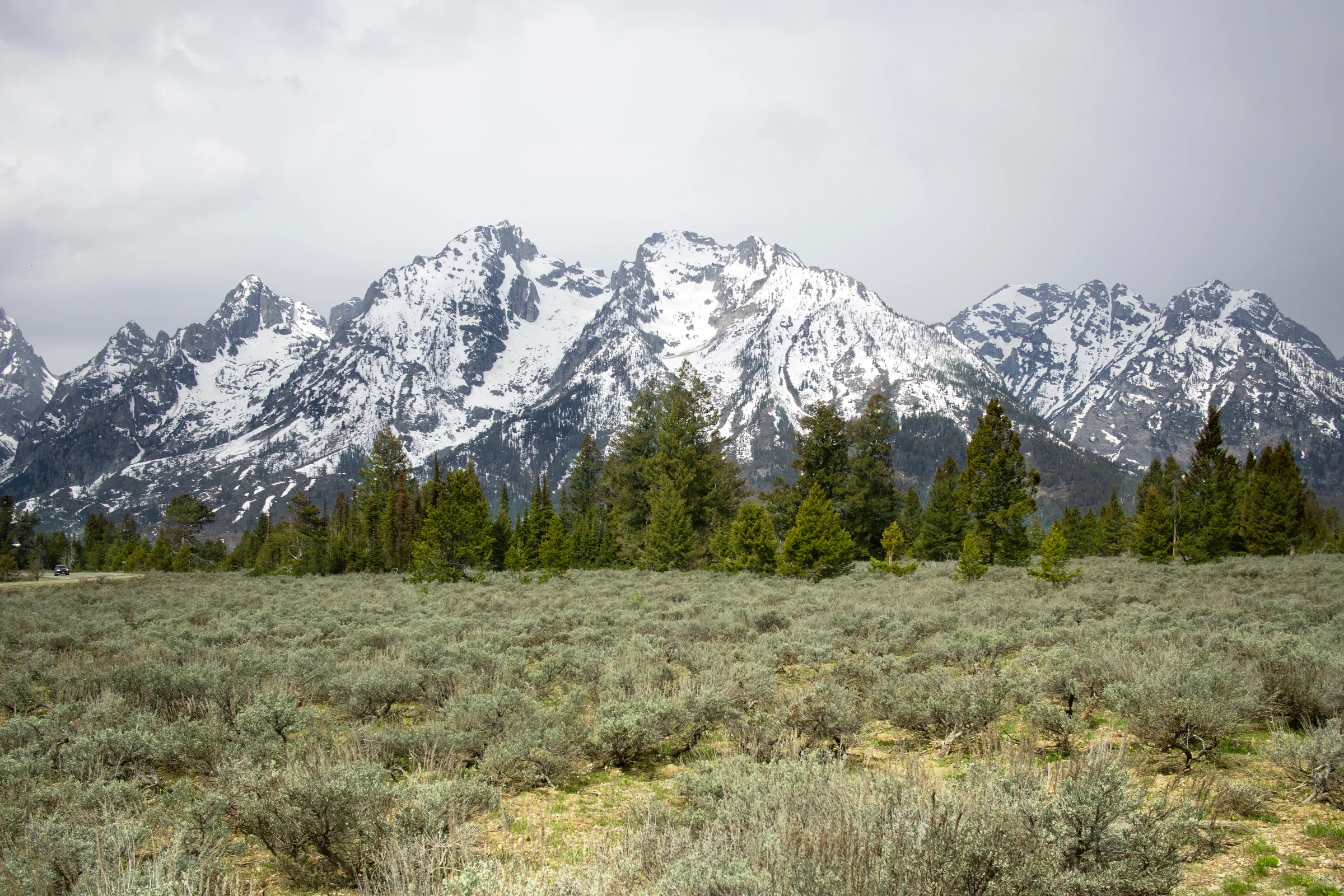
A destination with twelve recommendation-eligible months appears flexible; one with three appears demanding. That contrast is useful, but only if the term hiking window is read correctly. On BestTimeToHike it means the historical metrics at one selected representative grid cell stayed inside the published critical limits for those months. It does not mean every trail was open, snow-free or equally pleasant. The comparison still reveals a strong seasonal structure. Quebrada de Humahuaca, Tenerife, Table Mountain and Madeira pass the gate in all twelve months. Grand Teton, Jasper and several alpine or subarctic destinations pass it in only three. The calendars below show the difference before explaining what produces it.
The broad calendar is not one continuous climate
Twelve eligible months do not make January and August interchangeable. Tenerife's selected cell, for example, remains inside the critical rules throughout the year, but temperature, rain frequency and daylight still move from month to month. Madeira does the same with its own Atlantic pattern. Table Mountain spans Southern Hemisphere summer and winter, so an eligible winter month can be cooler and wetter than an eligible summer month. Quebrada de Humahuaca adds a high, dry continental setting. What these places share is not identical weather; they share the absence of a critical monthly failure in the published model. Travellers still need to choose among twelve different climate profiles.
| Window | Destinations | Eligible months | Planning implication |
|---|---|---|---|
| Broad | Quebrada de Humahuaca, Tenerife, Table Mountain, Madeira | 12 of 12 | Compare preferences within the year |
| Northern narrow | Grand Teton, Jasper, Chamonix, Grindelwald, Landmannalaugar, Jotunheimen | July–September | A concentrated modelled window |
| Southern narrow | Cerro Castillo | January–March | Season shifted by hemisphere |
The narrow group is more synchronised. Grand Teton, Jasper, Chamonix, Grindelwald, Landmannalaugar and Jotunheimen are eligible from July through September in the current dataset. Cerro Castillo supplies the Southern Hemisphere mirror, with January through March. Outside those cells, cold, snow, precipitation or another critical component crosses the method's limit. This is not a statement that the landscape becomes inaccessible on the first day of October, and it is not a route-opening calendar. It is a reproducible signal that the representative climate moves beyond the rules used for general hiking recommendations.
“A broad window offers more climate choices; a narrow window demands more date-specific checking.”
Four stories hidden inside the same count
- Madeira12 monthsMaritime moderation; months still differ in rain and temperature.
- Table Mountain12 monthsA full calendar across a marked Southern Hemisphere seasonal cycle.
- Grand TetonJul–SepA short northern window between colder, snow-affected months.
- Cerro CastilloJan–MarA short southern window, shifted by roughly half a year.
Madeira and Table Mountain demonstrate why an eligible count should not be used as a universal ranking. Twelve months may be valuable to a traveller who can move dates, but it says nothing about preferred temperature or tolerance for frequent rain. Grand Teton and Cerro Castillo show the reverse: a short climate window does not make either destination inferior. It makes timing more consequential. A hiker already committed to August can compare northern mountain destinations; someone free to travel in February may look south. The seasonal count is therefore an availability map, not a quality league table.
What to check after choosing the window
For a broad-season destination, compare individual month pages and decide what trade-off you prefer. Cooler versus warmer, fewer wet days versus longer daylight, and seasonal crowd patterns outside this dataset may all matter. For a narrow-season destination, add a second layer of caution. Verify current snowpack, road and hut dates, permit systems, wildfire or storm notices, and the official status of the exact route. The published historical period runs from 1991 to 2025; it cannot confirm that a pass is clear this year. The best use of the calendar is to reduce twelve months to a sensible shortlist, then hand the decision to current and local information.